Gaming Sticker Design: A Real Review for Embroidery Pros
As someone who has spent years stitching custom pieces for clients and running a small craft business, I know that the difference between a project that feels "mass-produced" and one that feels truly handmade often comes down to the design itself. Recently, I pulled Gaming Sticker Design out of my digital library to test it on a real-world project. My goal was simple: determine if this file could hold its own in a professional embroidery workflow or if it was just another generic graphic waiting to fail under the needle.
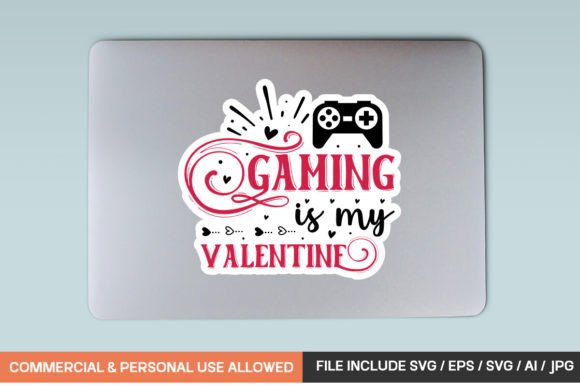
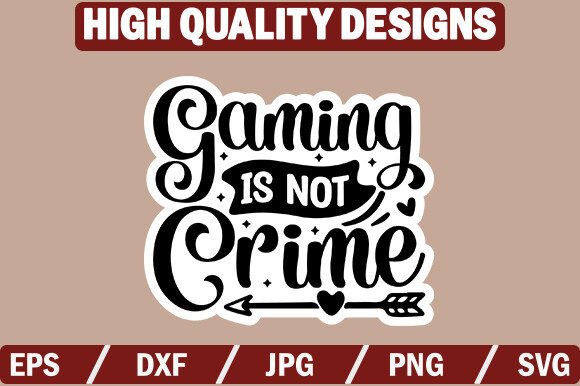
The first impression of Gaming Sticker Design is immediate. It carries a distinct, playful energy that fits perfectly into the modern gaming aesthetic without feeling cluttered. The layout mimics a classic sticker shape, which gives it a tactile, die-cut feel even when stitched onto fabric. For an embroiderer, this is crucial because the outline needs to be clean enough to define the shape but detailed enough to catch the eye from a distance. In terms of mood, it strikes a balance between retro arcade vibes and contemporary streetwear style. It doesn't scream "cheap novelty"; instead, it suggests a curated piece of merchandise you would actually want to wear or display.
Putting It to the Test: A Real-Life Scenario
To really evaluate Gaming Sticker Design, I needed a canvas that would challenge its limits. I decided to use it for a custom embroidered tote bag intended as a holiday gift for a local gaming club. This scenario is common for Etsy sellers and craft fair vendors: creating a personalized product that appeals to a specific niche while maintaining high quality.
I started by prepping a sturdy cotton canvas tote. The design's vector nature meant I could resize it easily to fit the front pocket perfectly. As the machine began to stitch, I watched how the satint stitch handled the outer border. Because the design mimics a sticker, the edge definition is vital. If the satin stitch wavers, the whole "sticker" illusion breaks, and the item looks amateurish. Fortunately, the file structure supported a crisp outline that maintained the sticker's integrity even on the textured surface of the canvas.
The fill areas within the design required careful attention to thread colors. I chose a vibrant palette with high contrast against the dark background of the tote. The fill stitch density seemed appropriate; it wasn't so thick that it buckled the fabric, nor so sparse that the base material showed through. When the hoop came off, the finished product looked polished. Customers browsing at a craft fair stopped to touch it, commenting on the sharpness of the lines. That reaction tells me Gaming Sticker Design adds genuine value to a handmade product.
Where This Design Shines in Your Business
If you are an Etsy seller or a small shop owner looking to expand your inventory, Gaming Sticker Design offers versatility across several categories. Its visual personality makes it ideal for:
- Custom Apparel: Sweatshirts, t-shirts, and hoodies benefit from the bold, graphic look. It works particularly well as a chest logo or a large back print for gamers who want to show their passion subtly.
- Baby Items: The playful theme translates surprisingly well to baby onesies or nursery decor. Parents love unique gifts that aren't just standard characters, and this design offers a cool, modern vibe for little ones.
- Home Decor: Think pillow covers, kitchen towels, or aprons. The sticker aesthetic fits right in with trendy home goods, adding a pop of personality to a chef's workspace or a living room sofa.
- Accessories: Caps and hats can be tricky, but the compact nature of a sticker design often works well on the front panel of a cap or the side of a bucket hat.
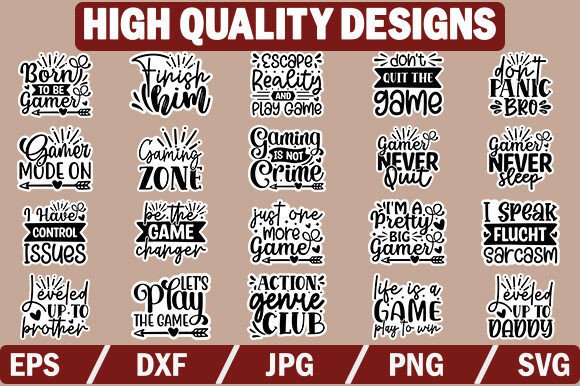
For those selling digital embroidery files or creating printable mockups, this design serves as a strong asset. It demonstrates professionalism and helps build brand consistency. When a buyer sees a cohesive collection of designs like this, they trust the creator more, leading to higher engagement and repeat sales.
Cautions and Technical Considerations
While Gaming Sticker Design is robust, no single file is perfect for every situation. As an experienced reviewer, I must point out where you need to exercise caution. First, consider the hoop size. If you attempt to stitch this on a very small area, such as a cuff or a tiny patch, some of the finer details might get lost or crowded. Always test on scrap fabric before committing to a final piece.
Fabric choice is equally critical. Stretchy fabrics like jersey knit require a stabilizer that matches the stretch of the garment to prevent puckering. Similarly, textured fabrics like fleece or bouclé can hide the detail work, making the design look muddy. Dark fabrics are generally safe if you use a high-contrast thread, but you must ensure the underlay is sufficient to cover the base color. If you plan to wash these items frequently, check that the stitch density is secure enough to withstand friction without fraying.
Another factor to keep in mind is the curvature of the product. Stitching on a curved surface like a baseball cap requires precise digitizing adjustments. While the provided files are 100% vector and resizable, the way the stitches lay on a curve depends heavily on your machine's capabilities and your setup. If the design includes tiny lettering or intricate corners, these are the first elements to suffer on a curved surface. Inspect these areas closely during your test run.
Practical Notes for the Embroidery Designer
Before you start mass-producing items with Gaming Sticker Design, there are a few non-negotiable steps to ensure success. First, verify the file formats. You will receive a zip file containing SVG, PNG, EPS, and DXF files. Having multiple formats is excellent for flexibility, allowing you to adapt the design for different software or cutting machines if you decide to combine embroidery with vinyl.
Check the stitch density within your digitizing software. Even though the file is described as high-quality work, your specific machine might interpret density differently. Adjusting the tension and speed can make a huge difference in the final look. Also, confirm whether the design is suitable for both personal and commercial projects. Licensing terms vary, and if you plan to sell the finished products, you need to be sure you have the rights to do so.
Don't skip the black-and-white mockup test. Sometimes, color choices can mask poor registration or uneven spacing. Converting the design to grayscale helps you see if the shapes hold up without the distraction of color. Additionally, review the stabilizer requirements. A design that looks good on a rigid hoist might fail on a soft garment without proper backing.
Final Thoughts on Value and Visual Appeal
In the world of craft business and small shop products, the perception of quality is everything. Gaming Sticker Design delivers on that front. It creates a finished product that feels intentional and well-crafted. The visual appeal is strong, the stitching clarity is generally high, and the design commands respect from potential buyers. Whether you are creating a personalized gift for a friend or building a line of commercial embroidery items, this design provides a solid foundation.
It is not just a graphic; it is a tool for creativity. By understanding its strengths and respecting its limitations, you can transform a simple digital file into a cherished physical object. For anyone looking to elevate their embroidery project game, Gaming Sticker Design is a worthy addition to your toolkit. Just remember to test, adjust, and always prioritize the fabric and the finish over the rush to produce. That is the secret to building trust with your customers and growing your brand.