Retro Colors Gaming Controller Embroidery Review
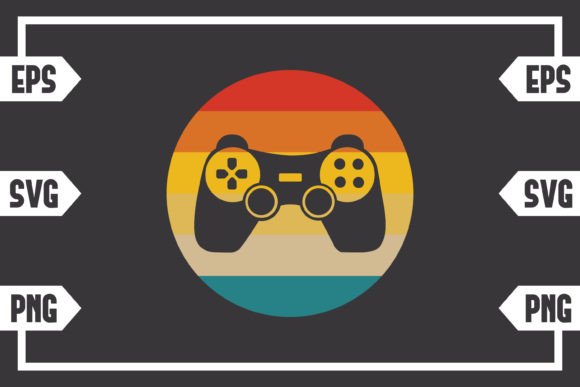
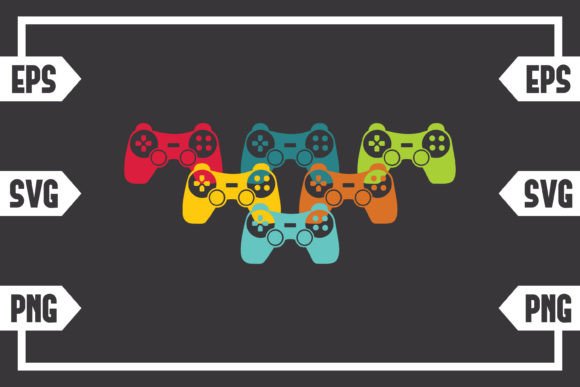
When I first opened the Retro Colors Gaming Controller file, my immediate reaction was a wave of nostalgia. As a designer who spends hours tweaking stitch densities and testing thread combinations, I look for more than just a shape; I look for a mood. This design captures that specific 8-bit era vibe perfectly. It isn't just a generic joystick; it feels like a piece of gaming history ready to be stitched onto fabric. The color palette is vibrant yet grounded, evoking the feeling of an arcade cabinet in a dimly lit room.
This review comes from the perspective of someone who has actually taken this embroidery file out of the digital realm and put it under a needle. I want to walk you through how this Retro Colors Gaming Controller performs when it transitions from a screen to a real-world handmade product. Whether you are an Etsy seller looking to expand your catalog or a hobbyist making a gift for a gamer friend, understanding the practical application is key.
First Impressions and Visual Personality
The layout of the Retro Colors Gaming Controller is clean and balanced. In the world of machine embroidery, balance is everything. If a design is too heavy on one side, it can warp the fabric or cause tension issues during stitching. This design strikes a great equilibrium. The geometric shapes of the buttons and the rounded body of the controller suggest a playful yet structured aesthetic.
It naturally belongs in projects that celebrate pop culture, retro aesthetics, and personal hobbies. It feels right at home on a custom sweatshirt, a tote bag for a game night, or even as a decorative patch on a denim jacket. The visual personality is bold and recognizable, which is crucial for items intended for resale. A customer scrolling through an online shop needs to instantly understand what they are buying, and this design delivers that clarity immediately.
Real-World Application: From Screen to Stitch
I recently tested this design for a client project involving personalized baby onesies. The goal was to create a unique keepsake for a new parent who is also a huge fan of classic video games. Using the Retro Colors Gaming Controller, we aimed for something that wouldn't be too stiff or scratchy for a baby's skin. The design allowed us to use softer fill stitches rather than dense satin work, which made it perfect for delicate fabrics.
In another scenario, I applied this motif to a canvas tote bag for a small craft fair booth. The contrast between the bright retro colors and the natural canvas texture created a striking look that stopped people in their tracks. It worked beautifully as a statement piece for a boutique selling handmade goods. The design proved versatile enough to stand alone without needing extra text or embellishments, saving time on digitizing and setup.
For commercial embroidery projects, such as creating merchandise for a local gaming cafe, this design offers high recognition value. Gamers connect emotionally with these symbols. Placing the Retro Colors Gaming Controller on a polo shirt or a cap adds a layer of identity to the wearer. It signals community and shared interests, which is exactly what buyers look for when purchasing custom apparel.
Navigating Technical Challenges
While this design is generally robust, there are specific situations where caution is required. If you are working with a small hoop size, pay close attention to the smaller details. Tiny elements, such as the individual button outlines or fine lines on the controller body, might get lost if the scale is reduced too much. Always check the minimum recommended dimensions before finalizing your product.
Textured fabrics present another hurdle. Materials like terry cloth or thick fleece can sometimes swallow up fine details, causing the image to look muddy. For these surfaces, I recommend using a stabilizer that provides firm support to keep the stitches crisp. Similarly, stretchy fabrics like jersey require a stabilizer that won't distort the knit while the machine works. Without proper stabilization, the Retro Colors Gaming Controller could end up puckered, ruining the professional finish.
Dense stitch areas are common in fill-heavy designs. If you are aiming for a smooth, solid look, ensure your thread quality matches the density. Cheap threads might break under the pressure of tight fills, leading to gaps in the image. Additionally, dark fabrics can sometimes make lighter thread colors appear washed out. Test your thread choices against the fabric background to ensure the contrast pops as intended.
Where to Use Carefully
- Small Hoop Sizes: Avoid reducing the design below its optimal size to prevent loss of detail.
- Curved Surfaces: Caps and hats require careful hooping techniques to maintain the design's proportions.
- Thin Fabrics: Delicate materials may need additional backing to handle the weight of the stitches.
- Frequent Washing: Items that will be washed often should use high-quality threads to prevent fading or fraying.
Impact on Product Value and Brand Consistency
The choice of design directly influences customer trust. A well-executed embroidery project looks expensive and thoughtful. When the Retro Colors Gaming Controller is stitched cleanly with consistent tension and precise alignment, it elevates the perceived value of the entire item. Customers are willing to pay more for products that show attention to detail.
For small business owners, consistency is vital. Using a cohesive set of design assets helps build a recognizable brand identity. If your shop specializes in retro-themed items, incorporating this controller design alongside other vintage graphics creates a unified look. It tells a story about your brand's focus and style. Conversely, mixing high-quality designs with poorly executed ones can confuse buyers and dilute your reputation.
The design also enhances giftability. A personalized gift featuring a custom embroidered patch or a monogrammed sweatshirt embroidery carries more emotional weight than a mass-produced item. The Retro Colors Gaming Controller serves as a conversation starter, allowing the giver to express a deep understanding of the recipient's passions.
Practical Designer Notes for Success
Before you start stitching up a batch of products for sale, take a moment to run a few tests. Start by embroidering the design on scrap fabric that mimics your final material. This step reveals how the stitch density interacts with the weave of the cloth and helps you adjust your settings accordingly.
Review the thread colors carefully. The original file suggests a specific palette, but you might want to adapt it to match your brand colors or the specific fabric you are using. Always inspect small details after stitching to ensure no loose threads or skipped stitches have occurred. If you are planning to sell finished items commercially, double-check the licensing terms included with the download to ensure you have the right to resell the physical products.
Finally, consider creating printable mockups to visualize the design on different products before committing to production. Seeing the Retro Colors Gaming Controller on a digital version of a pillow cover or apron can help you decide if it fits your target market. These mockups are excellent tools for marketing your craft business on social media platforms.
In conclusion, the Retro Colors Gaming Controller is a versatile and visually appealing addition to any collection of design assets. Its blend of nostalgic charm and modern execution makes it suitable for a wide range of applications, from personal gifts to commercial merchandise. By paying attention to fabric selection, stabilization, and thread quality, you can transform this digital file into a stunning finished product that resonates with customers and stands out in a crowded marketplace.